Shiomi is an island. And it is garbage. Literally.
Shiomi 潮見 is a district of Tokyo’s Koto-ku with a population of just 6,000 people, give or take. It has only one train station, and relatively few attractions. And yet I find it fascinating. Its history, size and unusual geography (surrounded on all sides by water) makes Shiomi something of a Petri dish: small, self-contained, and easy to observe.
The following interactive map covers key locations noted in this post:
I. Garbage-in, garbage out
As noted by the Nakagawa Funabansho Museum‘s website, the majority of Koto-ku sits on reclaimed land built up starting from the Edo period. Shiomi is a much more recent addition. The land that is now the Shiomi district started in 1927 as Landfill Site No. 8 (8号埋立地))*, a project that solved the problem of where to put Tokyo’s waste, while also reclaiming land from Tokyo Bay. It was used as a landfill until 1967, and became Shiomi upon being incorporated into Koto-ku on January 30, 1968.
* The land was also known as「深川区深川枝川町地先第8号埋立地」 (Reclaimed Land Lot No. 8, off Fukagawa-Edagawa-cho, Fukagawa Ward)
Koto-ku’s Environmental Learning Center 環境学習情報館 えこっくる江東 (Ecokkuru Koto)* (map), in Shiomi, includes information on general waste topics as well as an exhibit on the Tokyo Garbage War 東京ゴミ戦争, a dispute involving Koto-ku and Suginami-ku regarding what to do with Tokyo’s vast amounts of garbage; at one point, Koto-ku physically blocked the transport of Suginami-ku’s garbage from reaching landfills in Koto-ku. This is an interesting slice of history that I’d like to revisit in greater detail.
For more information, see also the Tokyo Garbage War History and Future Museum 東京ごみ戦争歴史みらい館 in Suginami-ku, located on the site of a garbage incineration plant (map).
II. Mapping Shiomi
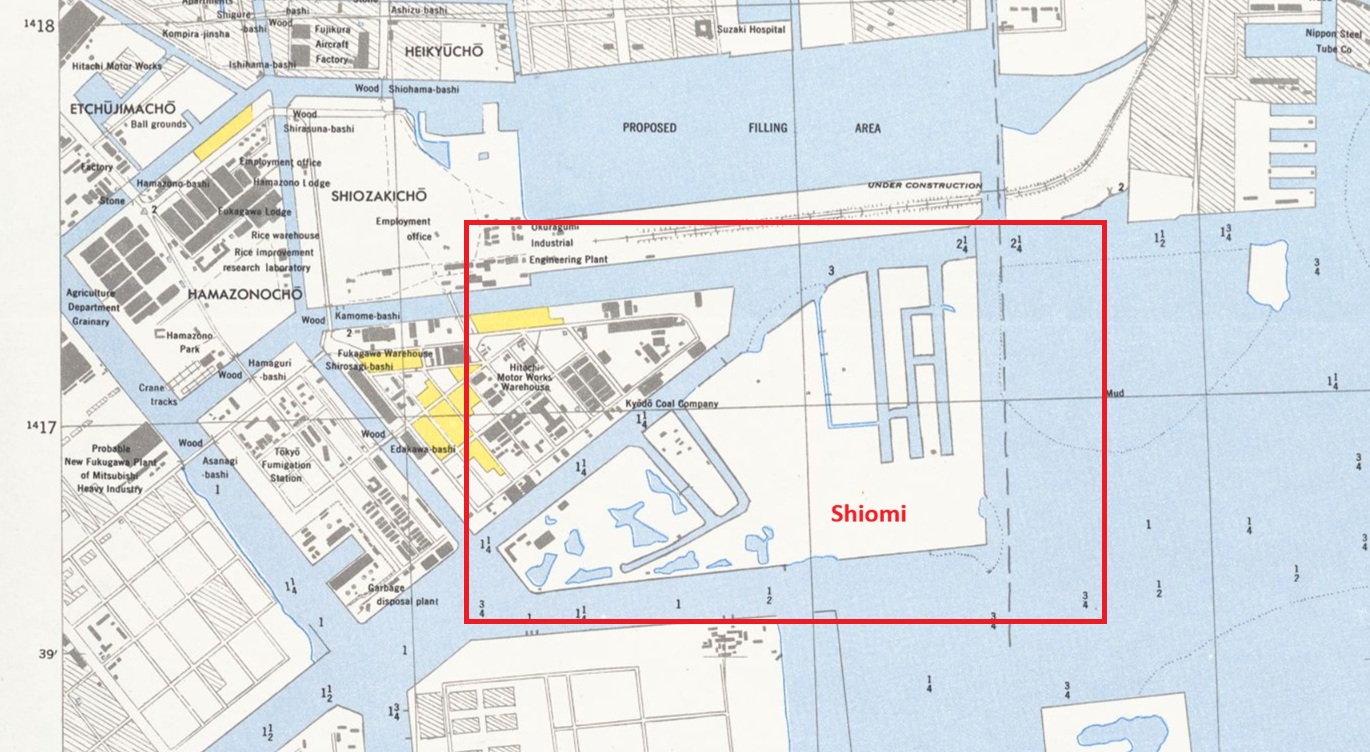
Shiomi is visible in the following map from 1945, but it is clear there are no roads or buildings (source: Sheet 13), which is consistent with its use as a landfill:
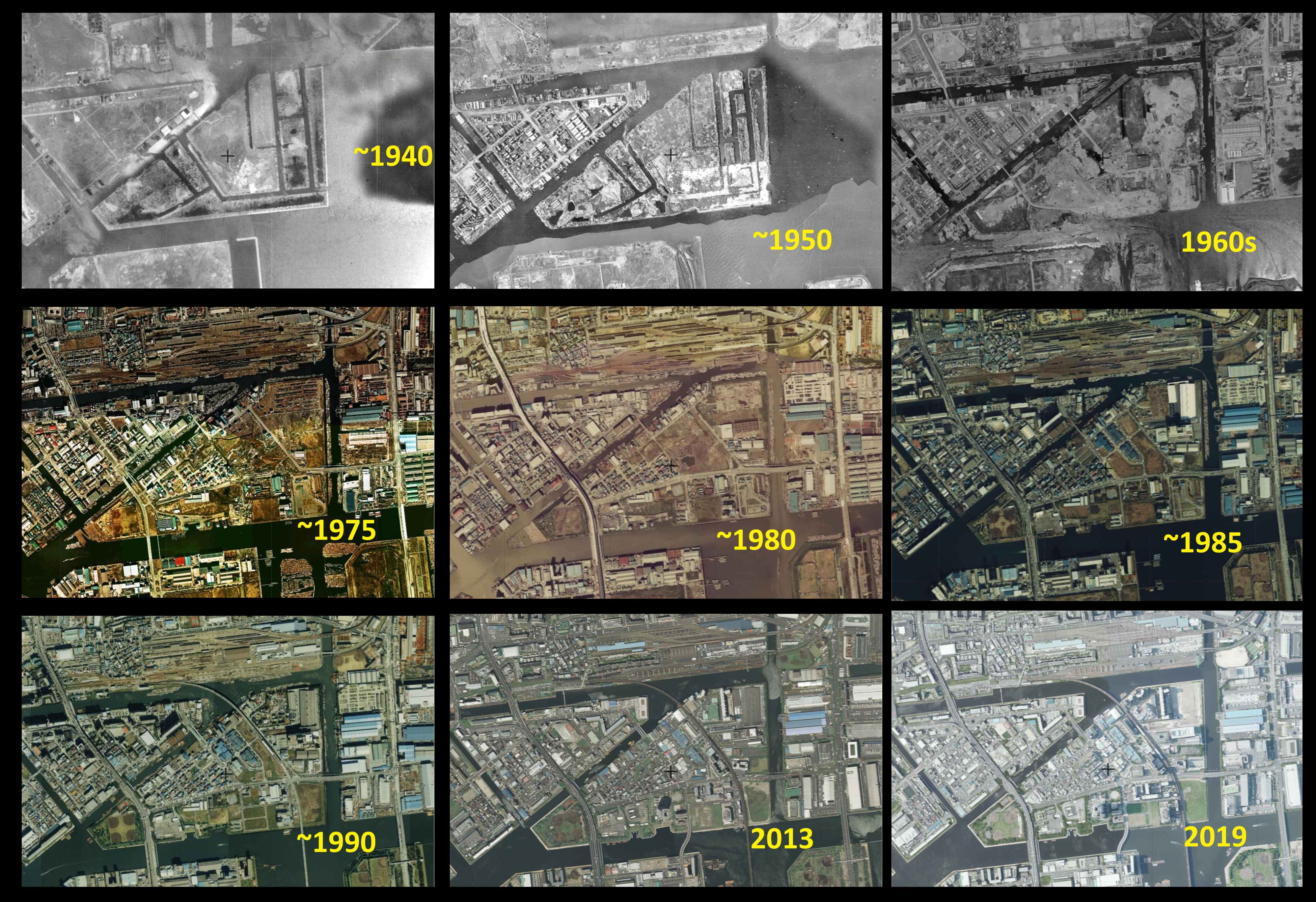
Based on a time series of aerial photographs, the island was largely devoid of buildings until the 1970s. By the mid-1980s into the 1990s, much of the island had been developed with a mix of residential and industrial sites.
Aerial view time series of Shiomi island, Koto-ku (adapted from GSI 地理院地図):
(See related post: Tokyo reclaimed land map.)
III. Shiomi’s First Residents: Ants Town
Although the development of Shiomi did not start in earnest until the 1970s, there was one group of notable early residents: the “ragpickers” of Ants Town.
Ants Town 蟻の街 (Ari-no-machi) – originally situated on the west banks of the Sumida River, not far from the popular Senso-ji temple in Asakusa – was formed in the wake of World War 2 as a legal cooperative to house and organize the labors of local “ragpickers,” an English term whose meaning seems consistent across cultures: it describes people on the lower rungs of society who collect trash/ garbage to be sold for recycling.
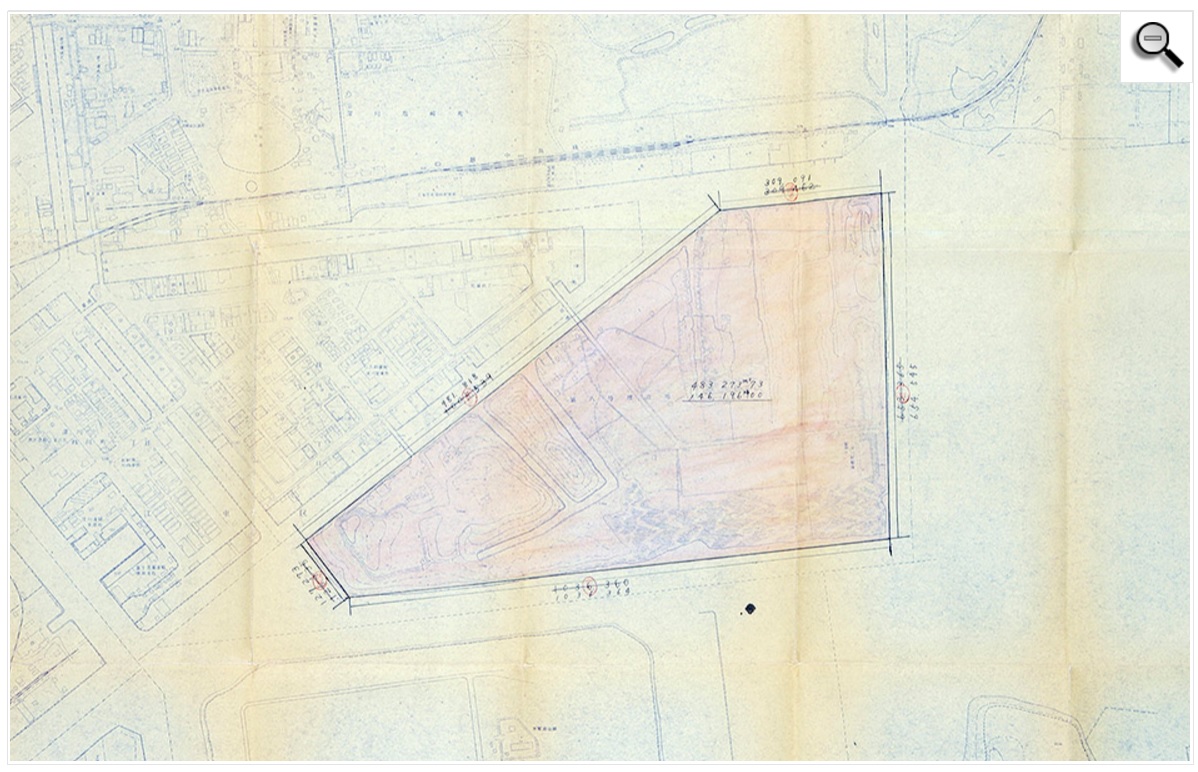
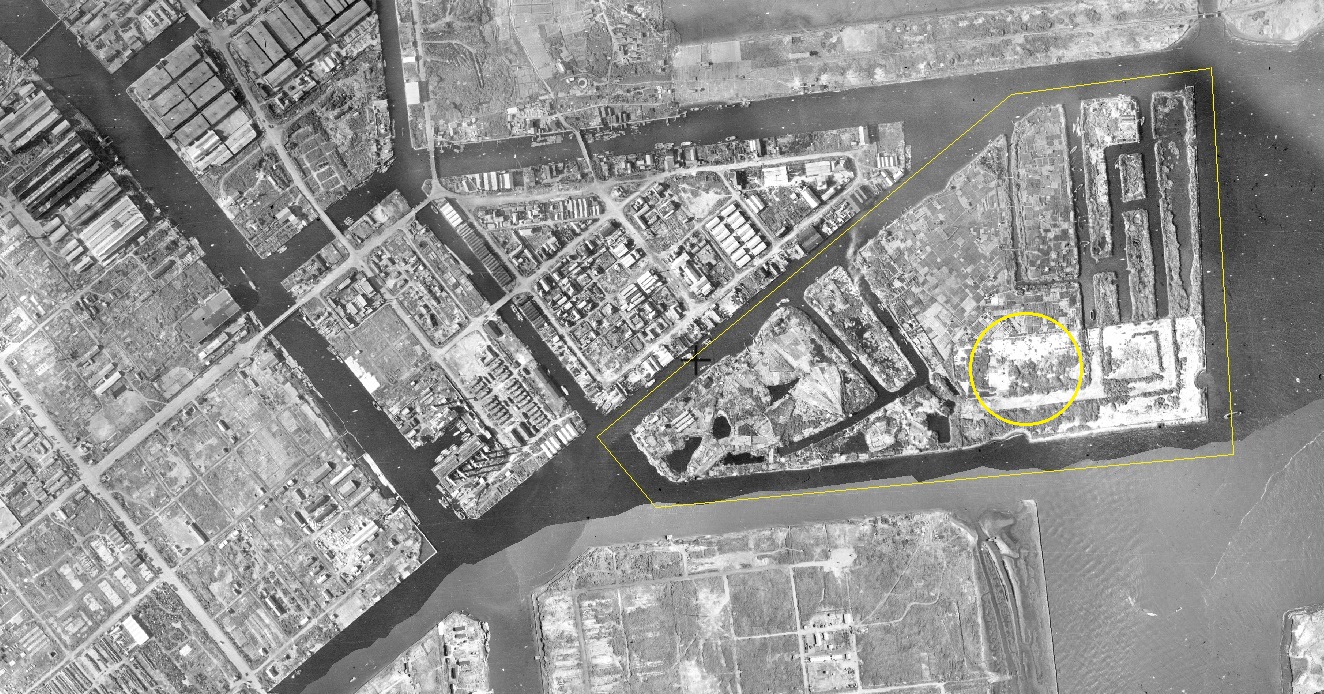
In 1960, Ants Town agreed to leave Asakusa at the request the Tokyo government, making way for a public park. The community moved to “No. 8 landfill” 8号埋立地 , then a damp and isolated plot of reclaimed land. The land is seen here in a planning document from 1964, and the site of the new Ants Town is circled in an aerial photo from 1945/1950.
In 1962 the church of new Ants Town was named Edagawa Catholic Church (Ant Town Church) 「カトリック枝川教会(蟻の町教会)」. The church was renamed Shiomi Catholic Church カトリック東京大司教区潮見教会 in 1985*. The Association of Ants disbanded in 1988. The Shiomi Catholic Church operates to this day at that location.
* Source, broken link: tokyo catholic jp/english/churches/tokyo-en/16529/?print=pdf
The new Ants Town in 1963:

IV. Shiomi’s population growth
Following its joining Koto-ku in 1968, Shiomi saw some modest population growth in the 1970s (as evidenced by the buildings visible in the ~1975 aerial photo shown above). As of the time of writing, I have not located population data prior to 1990, but Wikipedia does include population figures for every 5 years starting in 1990 (sourced from the Japanese national census data). The population was just 931 in 1990, so presumably it was much smaller during the 1970s and 1980s.
Shiomi Population:
| 1990 | 931 |
| 1995 | 2,243 |
| 2000 | 5,691 |
| 2005 | 5,931 |
| 2010 | 6,111 |
| 2015 | 6,097 |
How did people get to Shiomi back in the day? Bridges reached the island as far back as the 1960s. According to the Toei Bus Museum, it appears that Shiomi was serviced by bus 東17 (East 17), starting in 1972. The following map shows the route from Tokyo Station in the west, terminating at Shiomi Station in the east.
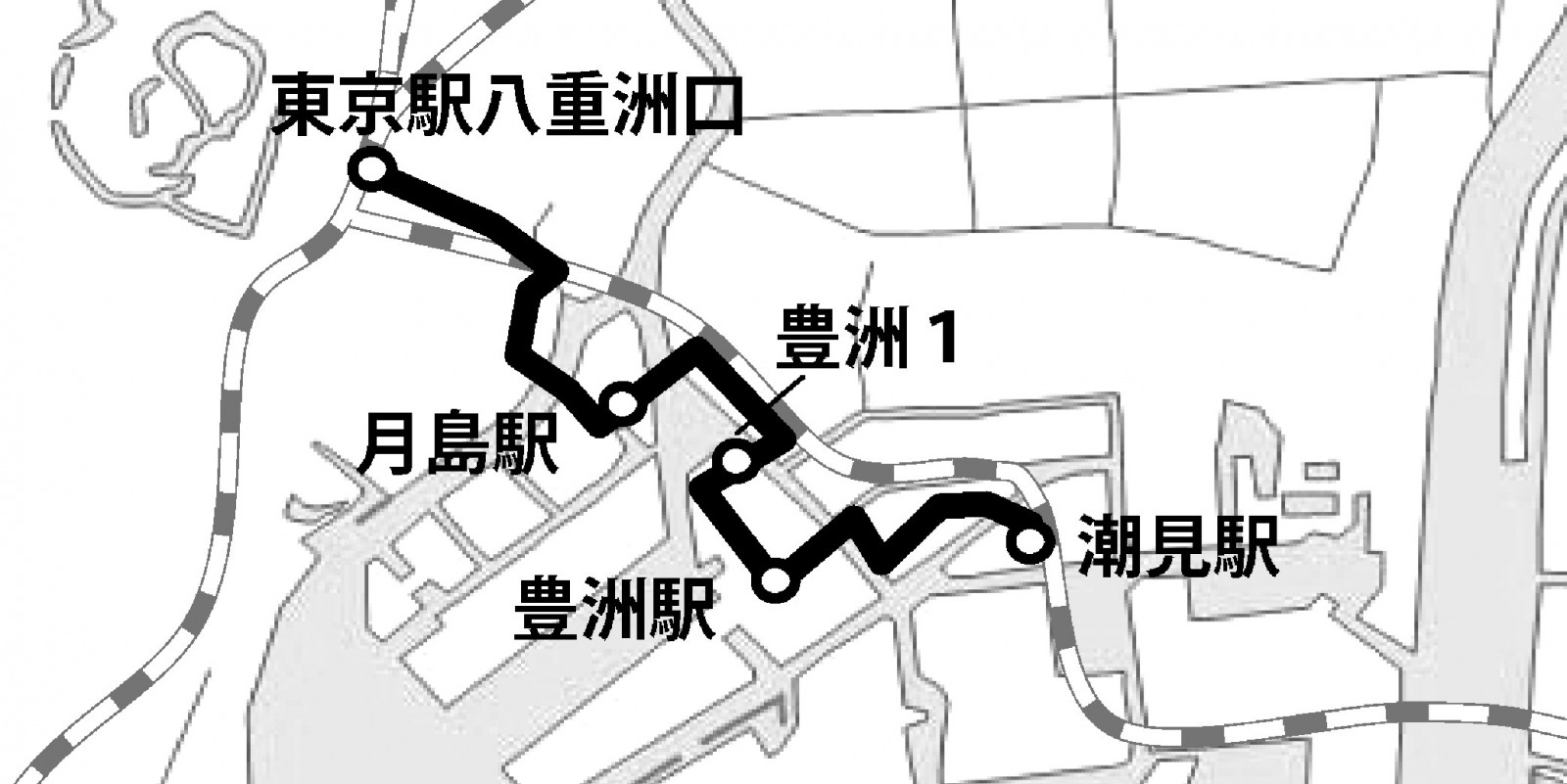
Trains came to Shiomi Station 潮見駅 in 1990, which supported an increase in the island’s population after that time. The train station also opended up a business opportunity for hotels. Todays, the train from Shiomi Station takes only 7 minutes to arrive at Tokyo Station, and only 9 minutes to Tokyo Disney, which is located to the east. (Note: Shiomi Station is on the JR Keiyō Line 京葉線, not to be confused with the Keiō Line 京王線.)
V. Shiomi’s hotels
It would be quite surprising to tell the ragpickers of Ants Town that a few decades later, their landfill home would become the home to 4-star hotels. In retrospect, though, the hotels feel inevitable. Growth in foreign tourists starting in the mid-2010s (source) can help explain why Shiomi has recently seen a boom in hotel construction, along with the easy access to key tourist spots afforded by Shiomi Station:
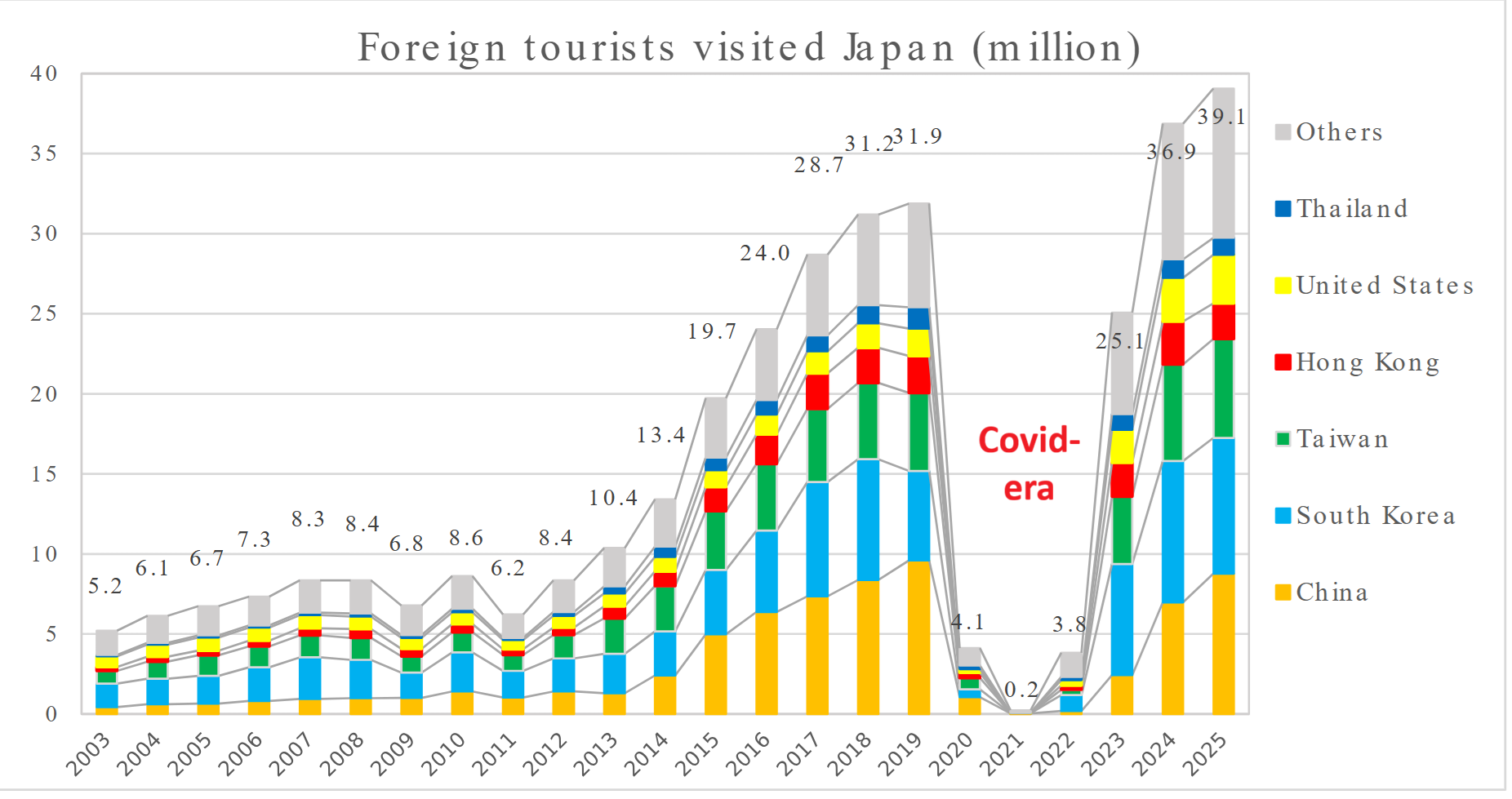
There are currently four hotels operating in Shiomi; one opened in 2009, and the others opened recently: 2017, and two in 2020, and 2020.
1. APA Hotel & Resort Tokyo Bay Shiomi アパホテル&リゾート〈東京ベイ潮見〉 (map)
This hotel was opened in 2009, according to this opening annoucement. Prior to this, I suspect the land was used for a warehouse or light manufacturing, based on aerial phots from the 1990s.
2. Hotel Livemax Tokyo Shiomi Station ホテルリブマックス東京潮見駅前 (map)
Opened in 2017, replacing what appears to have been a bus depot for Keisei Bus.
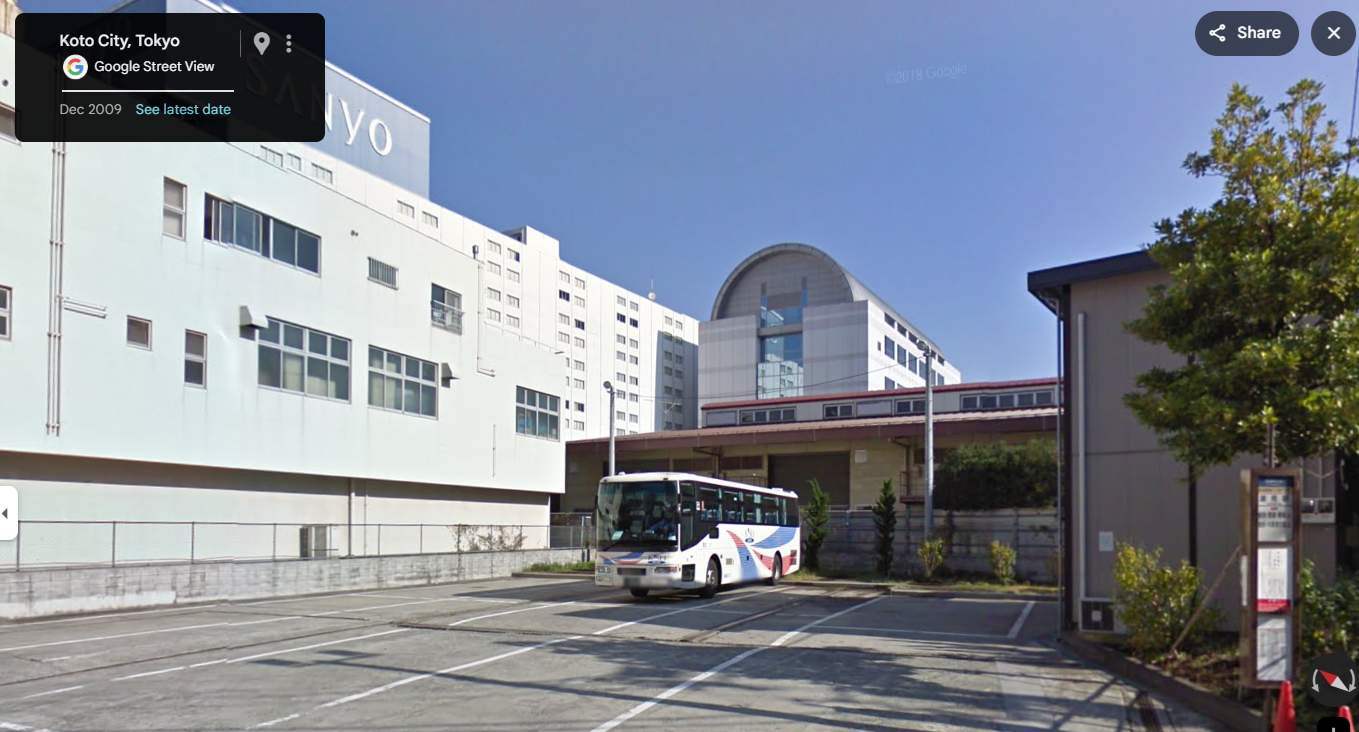
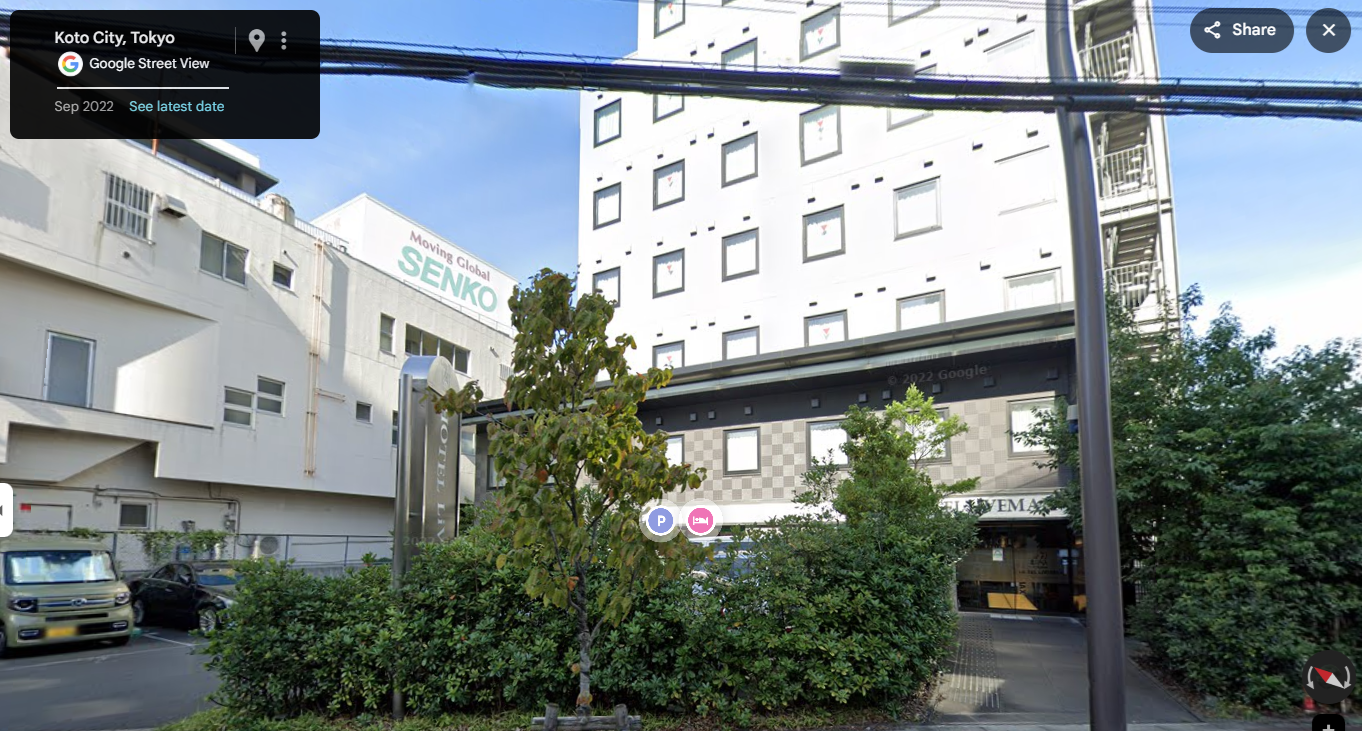
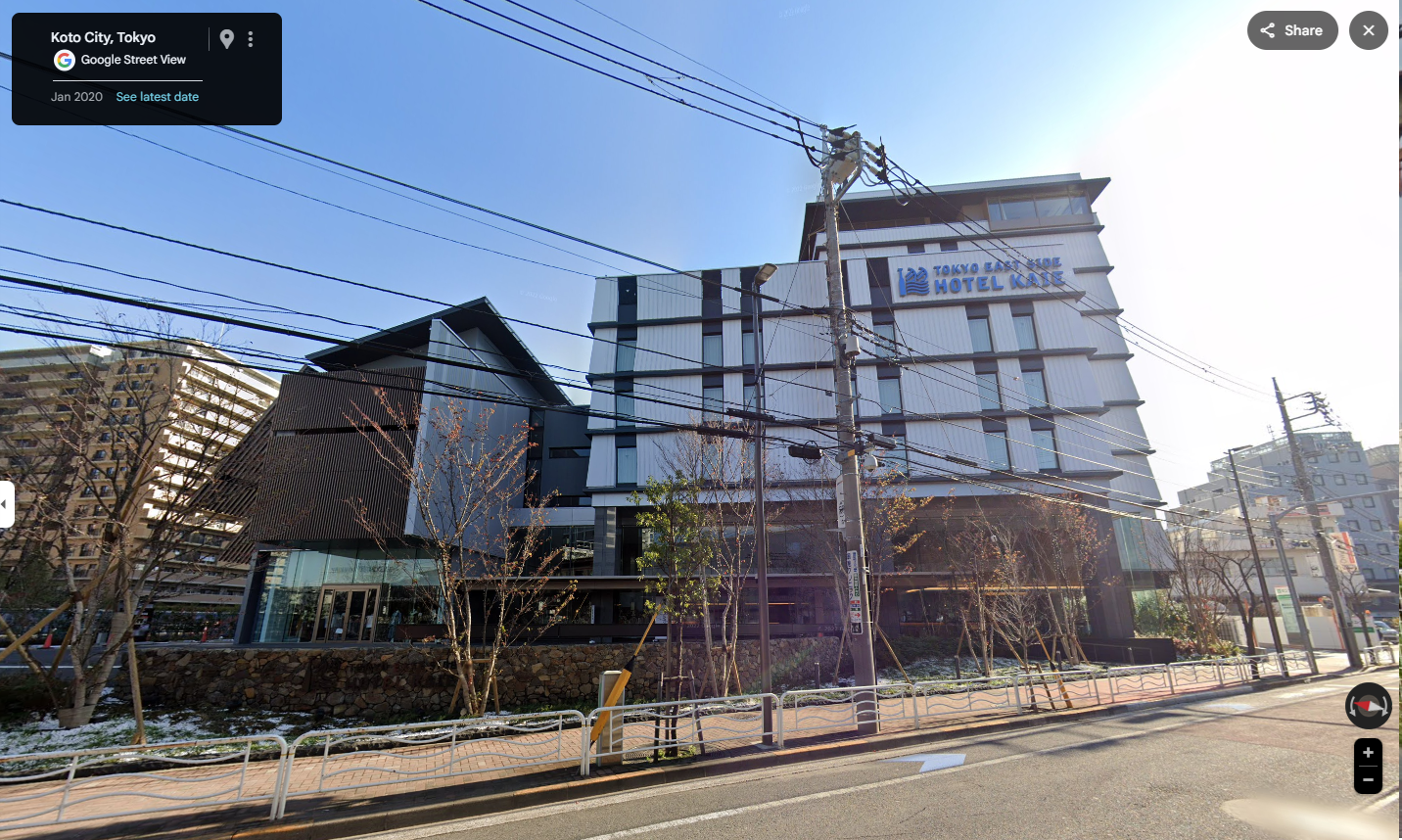
3. Tokyo East Side Hotel Kaie 東京イーストサイド ホテル櫂会 (map)
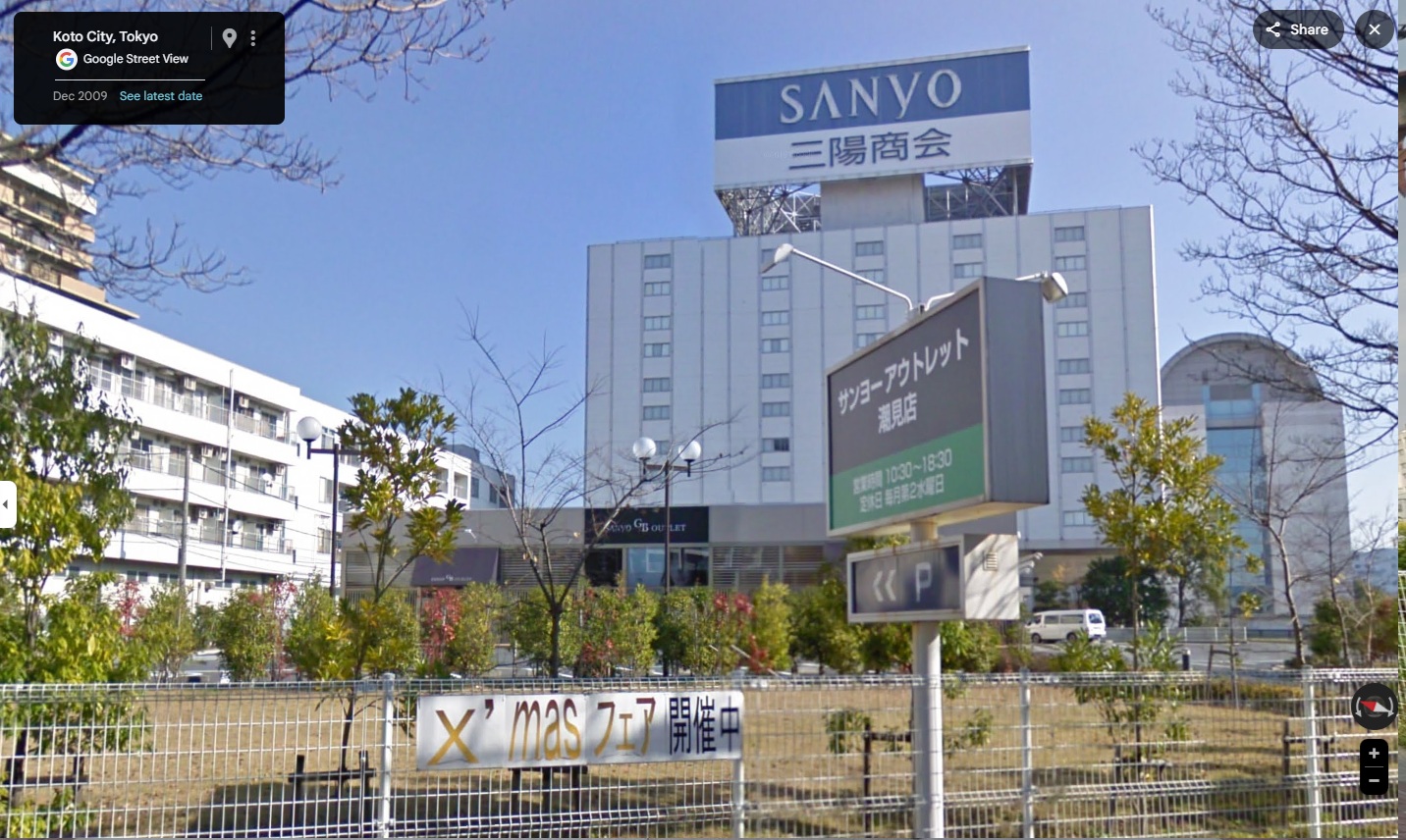
Opened in 2020, and built in the former site of a Sanyo G&B Outlet サンヨーG&Bアウトレット, a store that features brands from Sanyo Shokai, a clothing company.
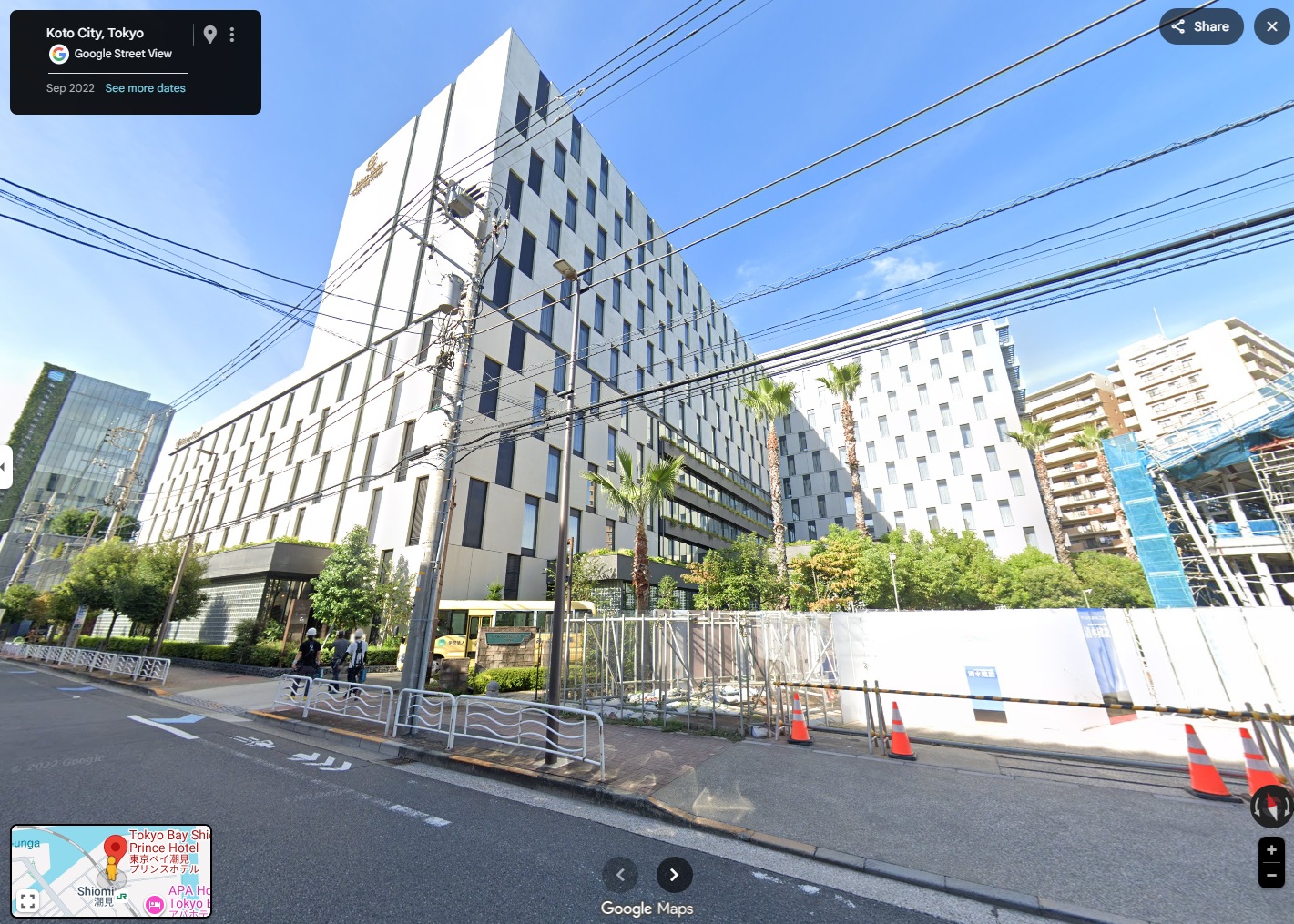
4. Tokyo Bay Shiomi Prince Hotel 東京ベイ潮見プリンスホテル (map)
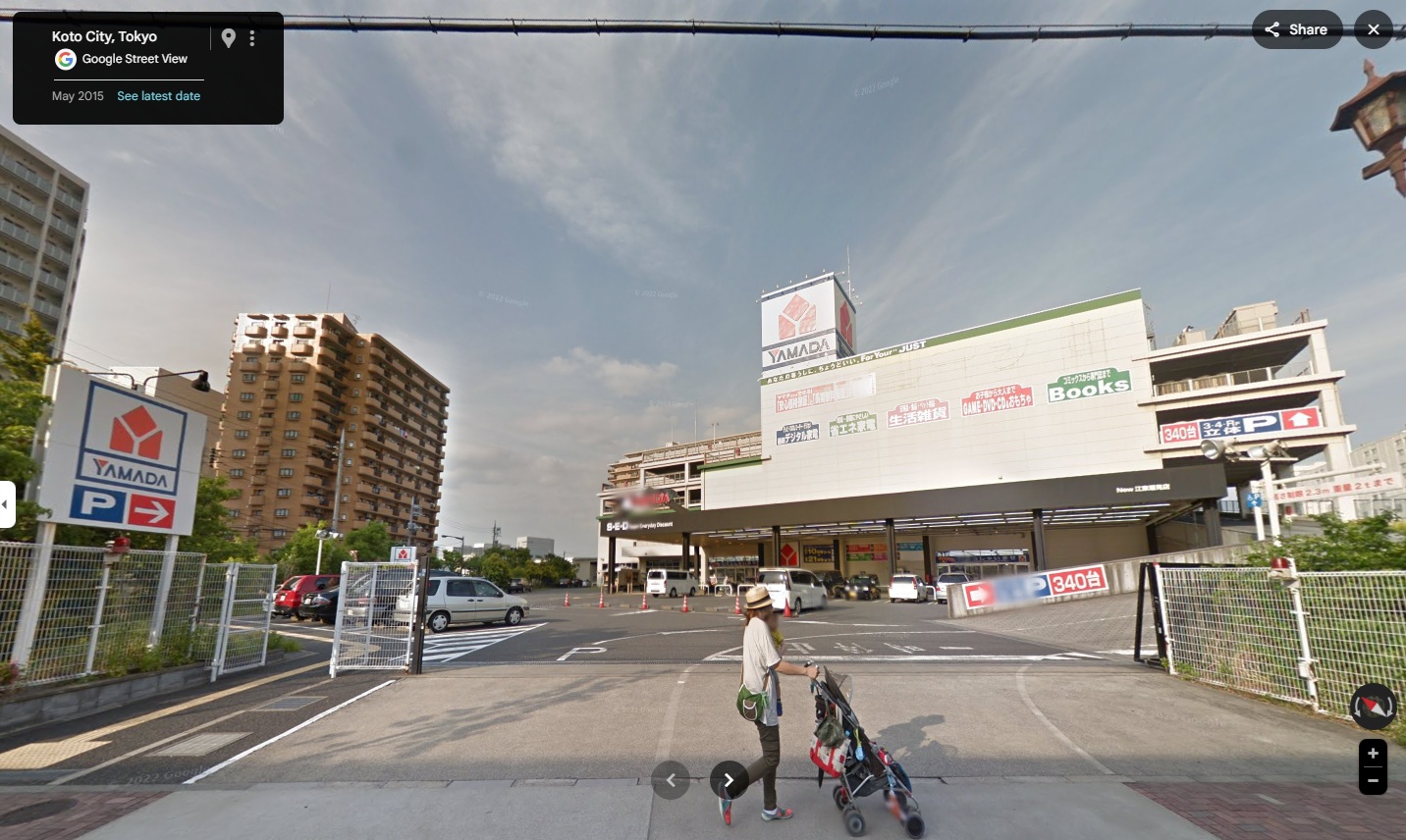
This 4-star hotel was opened in 2020, built on the former site of a Yamada Denki electronics store, 「New江東潮見店」 (New Koto Shiomi Store). The Yamada Denki store closed in 2015 along with the closure of 40 stores Japan-wide. See also: 家電量販店 終わりの始まり – ヤマダ電機 大量閉店の衝撃 (2015) (Electronics Retailers: The Beginning of the End Yamada Denki: The Shock of Mass Store Closures)
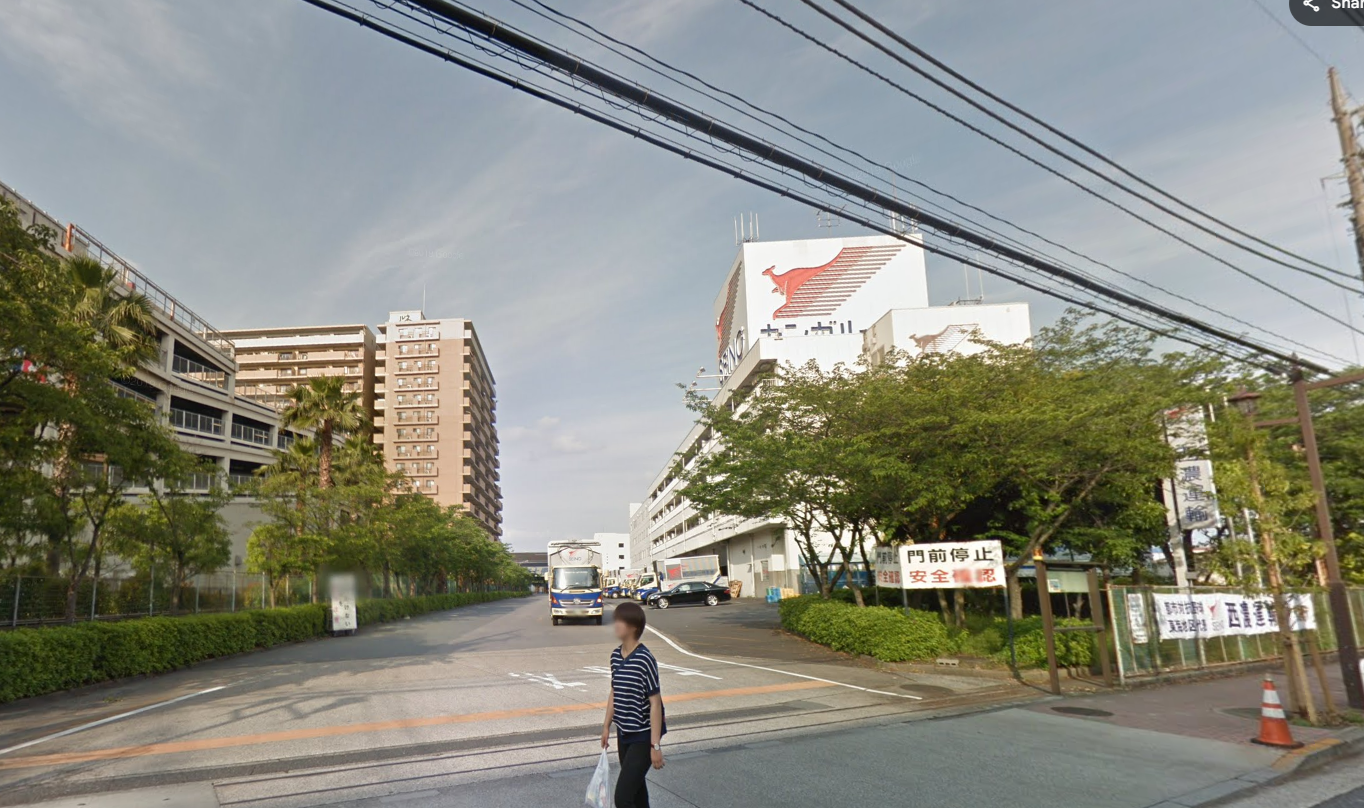
Another business that has left this “hotel alley” is Seino Transportation 西濃運輸, which decamped to what appears to be a larger location in a more industrial area in Shin-Kiba (map).
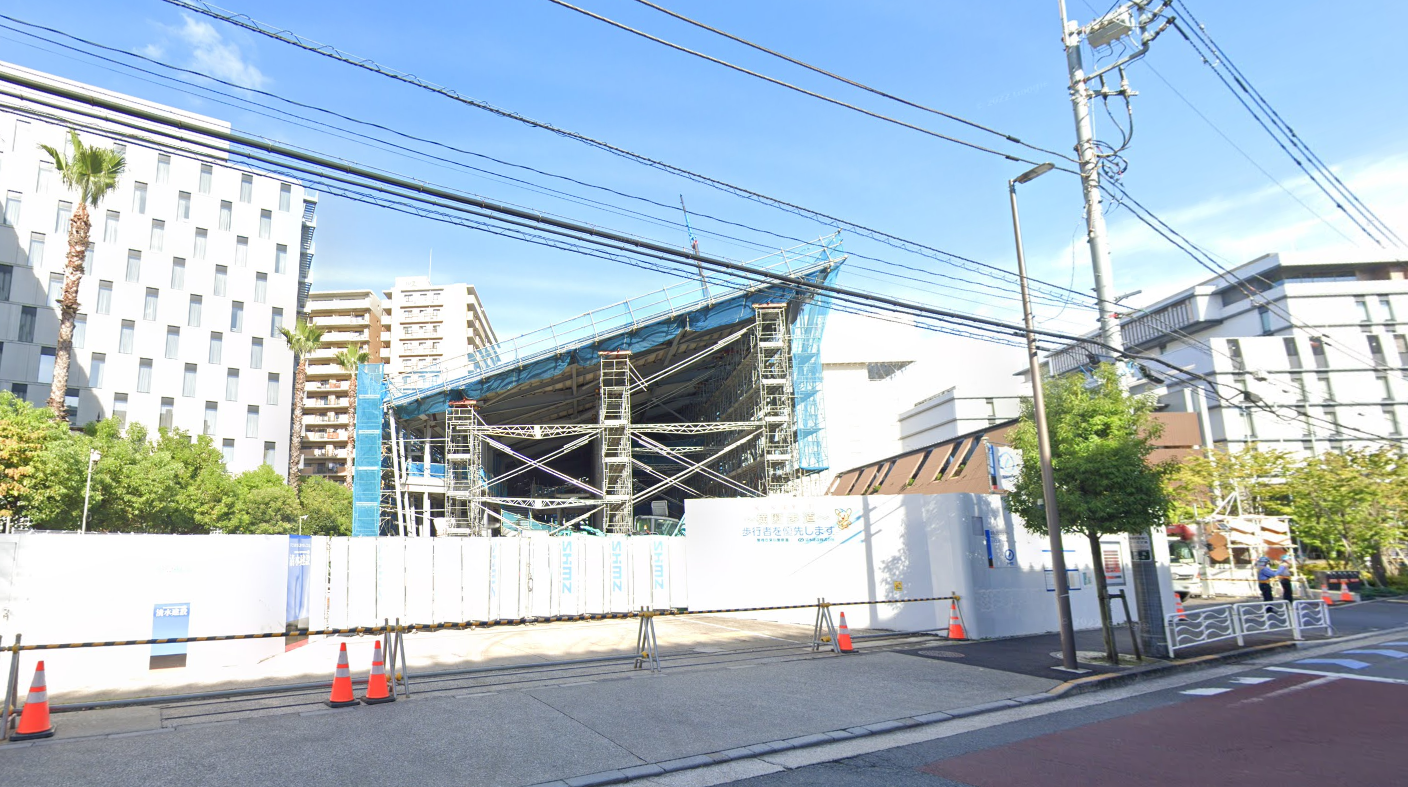
The structure that replaced it appears to be the parking garage for the Shimizu Shiomi Innovation center NOVARE 温故創新の森 NOVARE.
VI. What do people do in Shiomi?
There are around 6,000 resident of Shiomi, and Shiomi Station sees about 15,000 arrivals daily. That means at least 9,000 people come to Shiomi each day. What are they doing?
- Businesses – approximately 200 businesses call Shiomi home, accounting for about 5,000 workers (source).
- Hotels – as noted above
- Sightseeing – there are a small number of sightseeing areas in Shiomi, a few of which are described below.
1. Former Shibusawa Estate / Residence 旧渋沢邸 / 旧渋沢家住宅 (map)
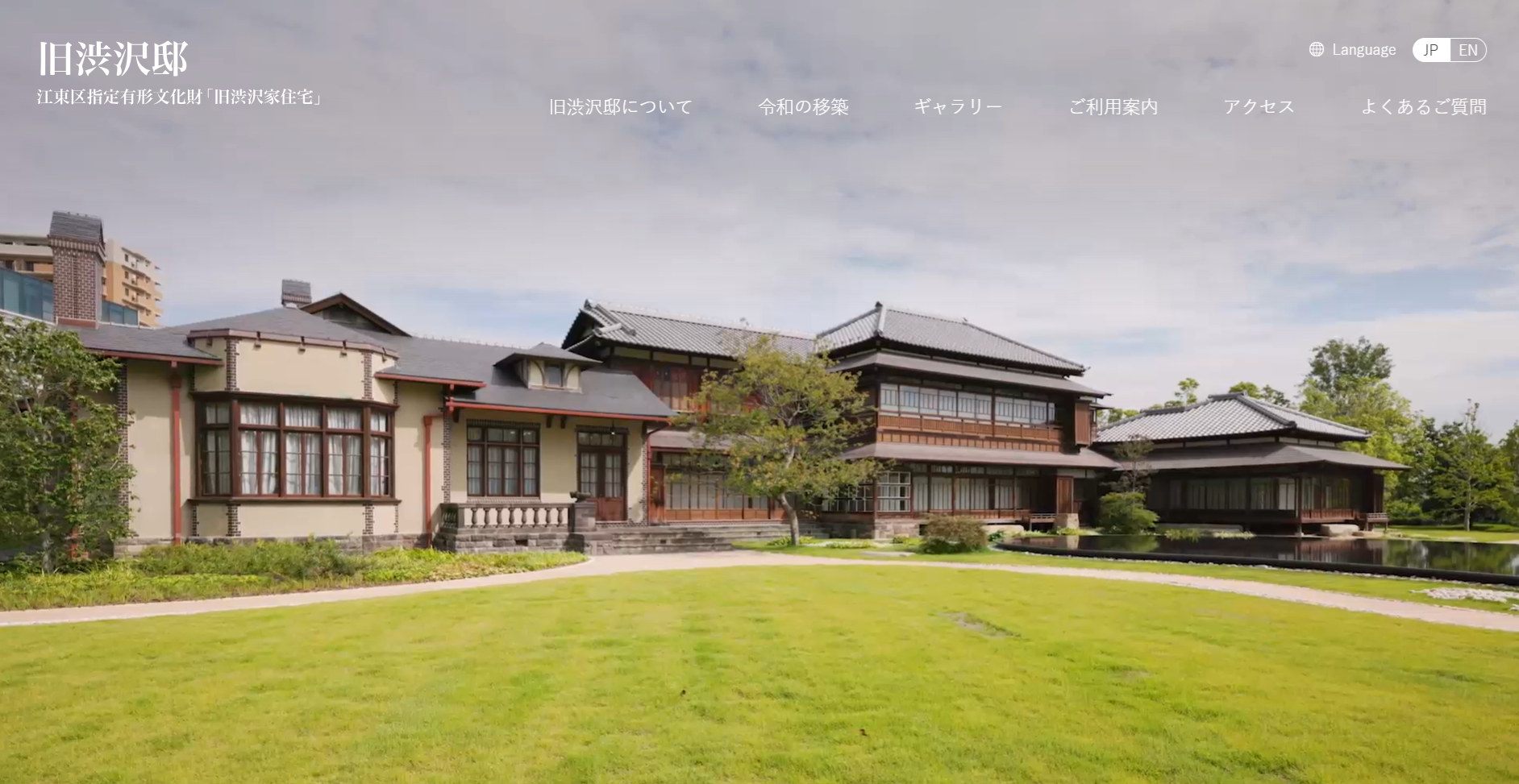
To further announce Shiomi’s transformation, the neighborhood became home residence (旧渋沢家住宅) of Japan’s greatest industrialists, Shibusawa Eiichi 渋沢 栄一. The estate was originally located elsewhere in Koto-ku (map), but was moved several times, including as far away as Aomori Prefecture, its last stop before being moved to Shiomi in 2023.
The addition of such a stately property is a fairly strong statement of support for the future of Shiomi. See the estate’s website for visit information.
2. Tokyo Hydrogen Museum 水素情報館 東京スイソミル (Tokyo Suiso-miru) (map)
Also called Tokyo Suiso-miru, the museum’s website describes the museum as “a facility that enables children and adults alike to learn the value of hydrogen energy toward the realization of a hydrogen-based society, which is a goal of the Tokyo Metropolitan Government.”
3. Shiomi Sports Park and Shiomi Sazanami Park
Two parks along the water.
4. Environmental Learning Center 環境学習情報館 えこっくる江東 (Ecokkuru Koto)* (map)
As noted earlier, includes information on general waste topics as well as an exhibit on the Tokyo Garbage War 東京ゴミ戦争. Before visiting, you may want to call first to confirm the museum’s opening hours. The museum used to have a dedicated website that appears to have been taken down (ekokkuru-koto [dot] jp).
VII. Shiomi housing
The last dimension through which I’d like to discuss Shiomi is housing. First, like almost every part of Tokyo, Shiomi is home to some form of ‘danchi’, or housing complex. In particular, Shiomi is home to Shiomi 1 Chome Apartment 潮見一丁目アパート, an apartment building managed by the Tokyo Metropolitan Housing Supply Corporation 東京都住宅供給公社, a public housing agency*.
* This entity is referred to as JKK due to the translation of its initials; JKK Tokyo = Tokyo Jutaku Kyokyu Kosha. JKK Tokyo is the designated manager of Metropolitan Housing (source), and manages a total of approximately 350,000 apartments (source).
According to the building’s website, there are 482 units under two distinct housing schemes: Toei jutaku and Tomin jutaku. The Tokyo Office for Housing Policy (東京都住宅政策本部) explains the difference between these two schemes: 都営住宅と都民住宅の違い (The Difference Between Toei Housing and Tomin Housing), which can be summarized as follows:
- 都営住宅 (Toei jutaku) aka Toei housing estates 都営住宅団地 Toei jūtaku danchi – refers to public housing overseen by the Tokyo Metropolitan government and intended for low-income residents.
- 都民住宅 (Tomin jutaku) – this short for 東京都施行型都民住宅, which is intended for middle-income families.
(For more information about ‘danchi’ and public housing in Tokyo, see Tokyo Danchi Map and Danchi glossary & resources.)
The second housing of note is Village House Shiomi Tower ビレッジハウス潮見タワー. The Village House ビレッジハウス brand is something I’ve been following for some time, as it is one of the more prominent examples of danchi re-use. Most (or all) of the Village House apartments were formerly part of the 雇用促進住宅 (Employment Promotion Housing) housing scheme for retired miners (see: Ex-miners’ homes now affordable housing for foreign workers), which were purchased by a subsidiary of the American “Fortress Investment Group”. My understanding is that the existing residents will continue to pay rent at the previously established low rates (until they move or pass away), and new resident pay market-rate.
The last note about the housing in Shiomi is a grisly tale, the Koto apartment disappearance and murder case 「江東マンション神隠し殺人事件」. I don’t seek tales of murder, but feel compelled to mention them when they come up in the course of researching a topic. In this 2008 case, a woman living with her sister in an apartment in Shiomi was kidnapped, murdered and dismembered by a male neighbor. The details are NSFW, but if you are so inclined, you can read more in the murder’s Wikipedia page or the following article: 江東マンション神隠し事件 (The Koto Apartment Vanishing Case).
Appendix:
General:
Garbage War
- A War Against Garbage in Postwar Japan
- Students in the elementary schools Grow tip suffering from asthma. Plants wither and dia. The birds around Mount Fuji Are decreasing in number. They no longer Visit the town. (New York Times, 1972)
- Wars in cities started by waste: A large quantity of Waste and fight with people that continued increasing in Tokyo
- The politics of distributive equity in conflicts over locally unwanted facility siting: in ward waste disposal in the 23 wards (PDF)
- History of Yumenoshima (includes references to the Garbage War)
Garbage (and land reclamation)
- 限りある処分場(ごみ埋立ての歴史) Finite Landfills (The History of Waste Burial)
- Tokyo Waste Management Policies: Prolonging the Lifespan of Tokyo Bay’s Final Landfill Site and Reducing Environmental Impact
- Wasteland: Tokyo grows on its own trash
- Exploring Tokyo Bay: Present problems and future prospects of Tokyo Bay – Disposing of waste in Tokyo Port (PDF)
- Tokyo Metropolitan Government Waste Landfill Sites: Central Breakwater Outer Landfill Site & New Sea Surface Disposal Site (PDF)
- Waste Report 2025 (PDF)
- The Battle Between Tokyo and Its Trash Still Lingers On: The amount of trash has been cut several times, yet there is much to be done.
- Land Reclamation in Tokyo: The Past and Present of the Prospect of a Waterfront City
Nearby areas:
 the tokyo files 東京ファイル

[…] More about Shiomi island: Tokyo neighborhood spotlight: Shiomi […]